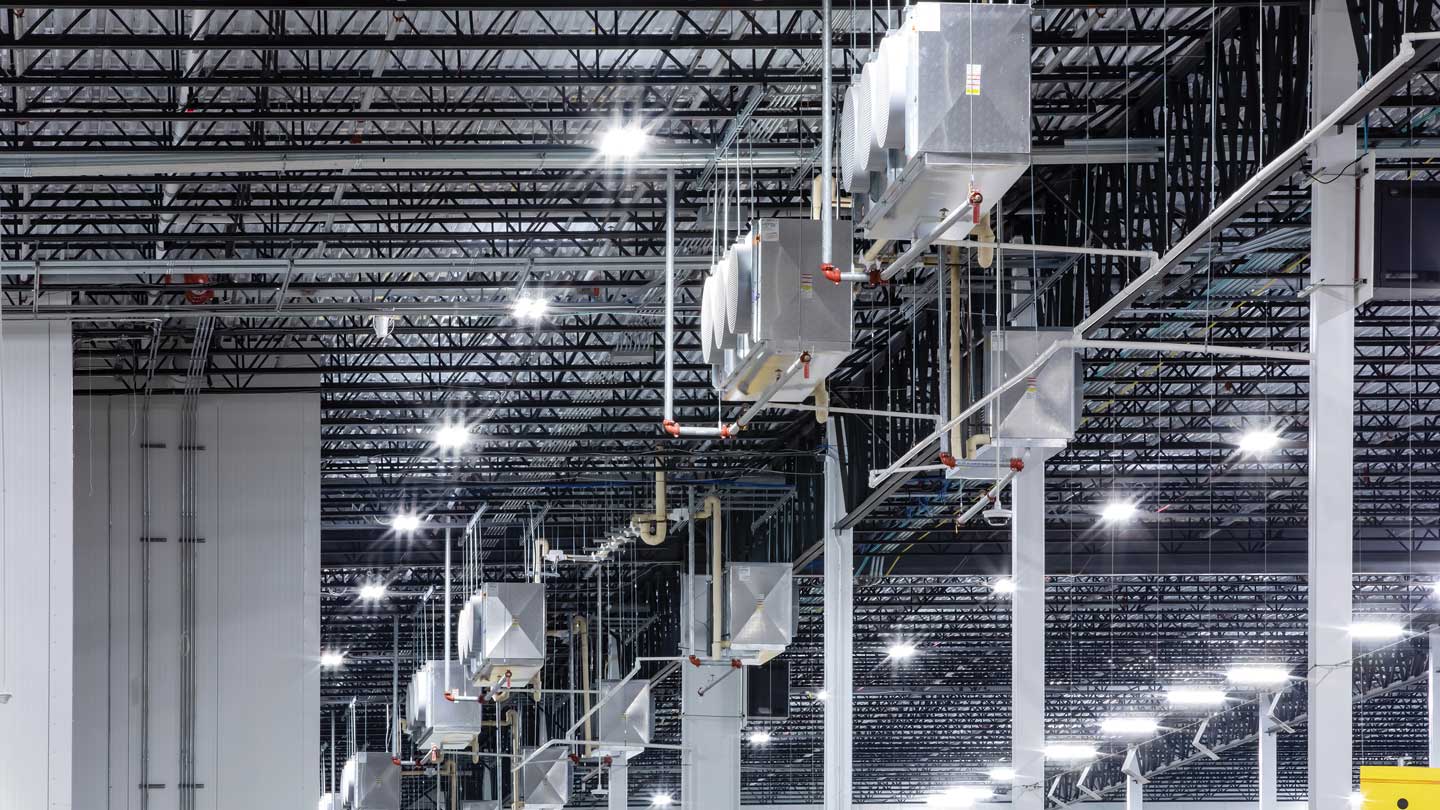
Several pathways exist for investors seeking exposure to this specialized asset class.
Cold storage has shifted from a niche to a core pillar of the industrial ecosystem. In the process, temperature-controlled warehousing is transforming into one of the most compelling strategic investment opportunities in the modern real estate landscape.
In a yield-starved environment, this specialized asset class combines resilience with strong growth potential and offers a natural hedge against inflation. Recent transactions and joint ventures point to accelerating institutional interest, as investors seek durable cash flows tied to essential goods. Cold storage is fast becoming essential logistics infrastructure for food security, health care and supply chain integrity. In many regions, vacancy in modern facilities remains exceptionally tight, reinforcing landlord pricing power and long lease visibility.
Demand and Growth Drivers
Market fundamentals underscore a significant and sustained growth trajectory. The global cold storage market is projected to more than double over the next decade, with valuations at $188.81 billion in 2025 expected to exceed $435 billion by 2034, reflecting robust long-term demand for chilled and frozen warehousing infrastructure. Across North America, the cold chain storage and logistics market is projected to reach approximately $362 billion by 2034, underscoring the region’s central role in supporting temperature-controlled supply chains.
Within this landscape, the United States is experiencing rapid cold storage expansion, with the market set to grow from about $44 billion in 2025 to roughly $125 billion by 2034. This growth reflects the country’s large food distribution networks and early adoption of advanced biologics logistics. In Canada, cold storage revenue is forecast to rise from $12.84 billion in 2025 to $28.93 billion by 2033, representing an annual growth rate of nearly 10%, supported by expanding protein and produce exports and growing biologics distribution capacity.
Three powerful, interconnected secular trends are fueling this rapid expansion. First is the acceleration of e-commerce and online grocery shopping, which has created massive, immediate demand for refrigerated fulfillment infrastructure. With U.S. online grocery sales forecast to surpass $150 billion by 2026, a corresponding expansion of cold chain capacity is critical for supporting last-mile delivery networks.
Second is the revolution taking place in the pharmaceutical sector. The emergence of complex biologics, mRNA-based treatments and advanced cell therapies requires increasingly sophisticated, ultracold environments, often ranging from minus 20 degrees to minus 80 degrees Celsius. This represents a fundamental, noncyclical shift in health care logistics.
Finally, for everything from fish and meat to dairy and produce, cold storage offers essential infrastructure. Frozen capacity still represents the majority of the market, anchoring demand in food distribution and import/export gateways.
The Supply-Demand Imbalance: A Landlord’s Market
Perhaps the most persuasive argument for investment is the sector’s acute and persistent supply-demand imbalance. Temperature-controlled warehousing accounts for a mere 2% to 5% of total U.S. industrial real estate inventory, creating a scarcity premium in key logistics markets. Despite booming demand, new supply has significantly lagged, cultivating a landlord-favorable environment characterized by pricing power and strong tenant retention.
The scarcity stems from significant barriers to entry. Development complexity is a major deterrent, demanding specialized knowledge of refrigeration systems, insulation requirements and energy management. As a result, construction costs typically range from $130 to $350 per square foot, which is often two to three times higher than conventional warehouses, increasing the risk of speculative developments.
Compounding this is the issue of aging inventory. More than 75% of U.S. cold storage capacity was built before 2000, and the average facility is approximately 37 years old. These outdated assets often lack the ceiling heights, energy efficiency and technological infrastructure required by modern food and pharmaceutical operators. While new development is accelerating, it remains insufficient to close this growing gap, which translates directly to persistently low vacancy rates — often below 2% — and premium rental rates versus dry warehouses.
An Attractive Financial Profile
The financial characteristics of cold storage are uniquely compelling. Capitalization rates for cold storage assets can reach up to 7.65%, typically offering a 50 to 100 basis point premium over traditional dry warehouses. This reflects the specialized nature of the asset class and its higher initial capital intensity.
Investors benefit from several favorable features. The premium rental rates commanded by cold storage, which are often 100% to 200% higher than conventional industrial space, directly enhance cash flow and asset valuation. Furthermore, the specialized nature of the facilities, combined with high tenant improvement costs, encourages longer lease terms, usually 10 to 15 years. These terms, alongside the reliance on essential businesses as tenants (e.g., food distributors, pharmaceutical companies), significantly enhance income stability and reduce default risk.
Critically, most cold storage leases and storage agreements incorporate escalations based on the Consumer Price Index (CPI). This provides an effective hedge, ensuring real returns are preserved during inflationary periods. Finally, the significant costs associated with relocating or replicating specialized infrastructure create high switching costs for tenants, resulting in strong renewal probabilities and low turnover expenses. This combination of premium rents, CPI-linked escalators and switching costs creates a rare mix of growth and defensiveness for investors.
Navigating Complexity and Risk
To realize the full potential of cold storage, investors must understand and strategically manage its unique risks. The sector is capital intensive. Basic cooling spaces start with construction costs of $130 to $180 per square foot, with advanced, automated facilities reaching $250 to $400 per square foot. These elevated costs stem from specialized insulation, advanced refrigeration and modern automation systems such as robotic material handling.
Operational complexity is another key challenge. Facilities require 24/7 temperature control, and refrigeration systems can account for up to 70% of a building’s energy usage, making energy consumption a major cost driver. Mitigating this risk involves investing in modern, energy-efficient systems and leveraging technologies like IoT sensors and AI-driven predictive maintenance to optimize energy usage and reduce downtime.
Investors must also manage the risks associated with aging infrastructure, specifically the potential for frost heave or vapor barrier failure, and the reliance in about 90% of U.S. facilities on ammonia-based refrigeration systems, which present environmental and safety considerations. Thorough due diligence, strategic capital improvement plans and careful insurance structuring are essential mitigation strategies.
Lastly, navigating complex regulatory compliance with agencies like the Food and Drug Administration and the Department of Agriculture necessitates robust management systems. Where feasible, power resiliency (e.g., on-site generation, microgrids) and demand-response strategies can further de-risk operations and stabilize operating expenses.
Strategic Entry and Market Selection
Location fundamentally influences performance. Prime markets that stand out for their superior demand dynamics include Dallas-Fort Worth, Chicago, Atlanta, and key urban centers in Florida and the Northeast Corridor (New Jersey and Pennsylvania). These markets benefit from central distribution nodes, thriving food processing ecosystems and dense population centers.
An exciting geographic trend is the emergence of microfulfillment centers. These smaller, strategically located urban and suburban facilities are optimized with automation to support the growing need for rapid, temperature-sensitive last-mile deliveries. For investors, these facilities can offer outsized rent growth potential relative to footprint due to proximity premiums and service-level requirements.
For investors seeking exposure, several pathways exist, including investing through public REITs for liquidity, accessing institutional quality through private equity funds, or pursuing direct ownership and joint ventures with experienced developers for maximum control. Regardless of the entry strategy, success hinges on rigorous due diligence that assesses not just real estate fundamentals but also operational capabilities, tenant profile and building specifications. Target underwriting should stress-test energy intensity, retrofit scope for older assets, and the durability of tenant demand across food and pharmaceutical subsectors.
Cold storage investment offers far more than a tactical industrial real estate play. It provides exposure to essential infrastructure that will only grow in importance as global supply chains adapt to climate volatility, changing consumer preferences and accelerating health care innovation. Investors who establish positions now can lock in yield premiums, CPI-linked growth and value creation upside from modernization and automation before the sector fully institutionalizes.
Michael Delaney is a partner and corporate attorney at Seyfarth Shaw LLP.