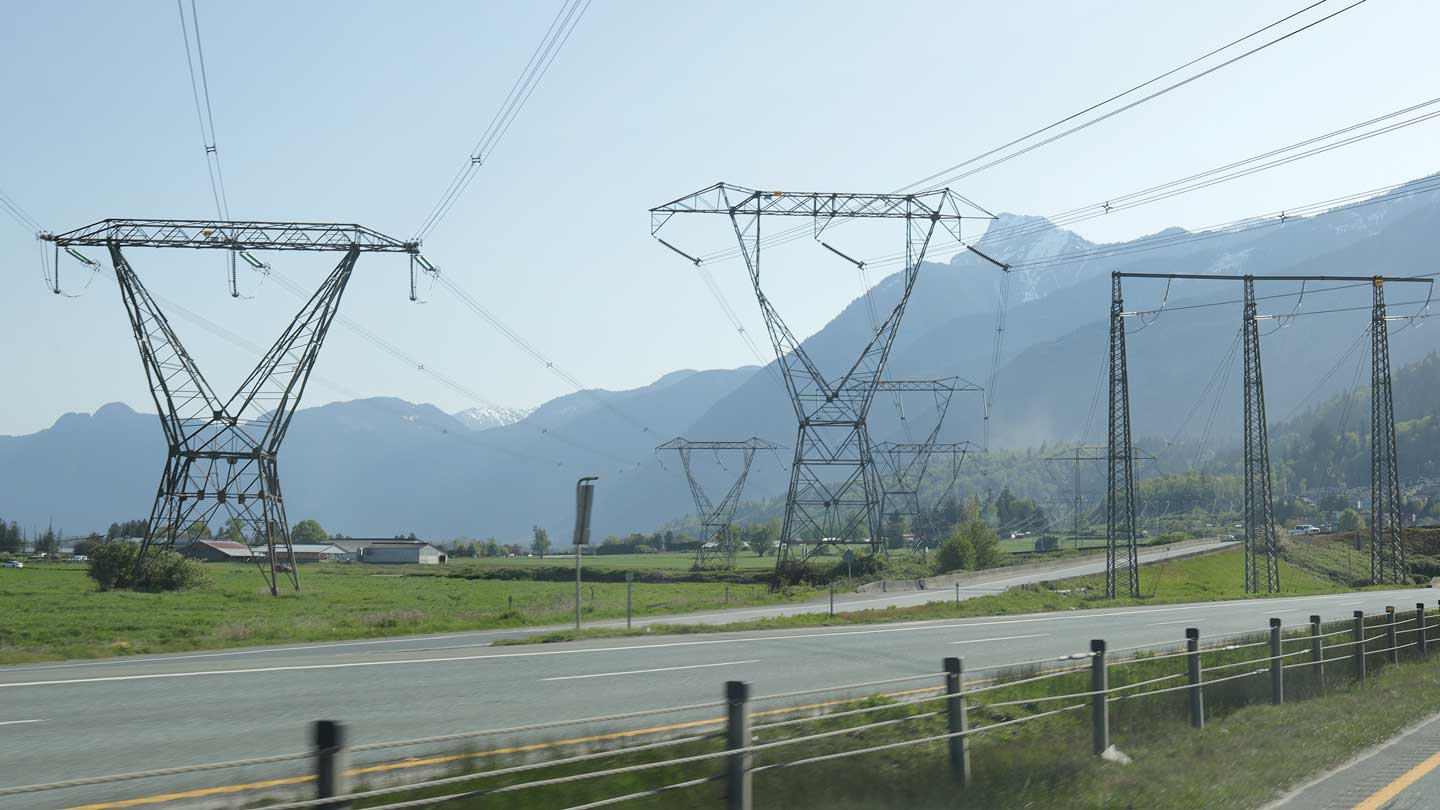
The solution requires more investment in generation, transmission and distribution, in combination with smarter demand management.
At a Commercial Real Estate Development Association webinar this past summer on Canada’s electricity challenge, energy expert Marc Brouillette delivered a clear message for the development industry: Electricity capacity is now a growth issue.
For years, the industry has focused on familiar barriers of land, approvals, labor, materials, capital and municipal infrastructure. Electricity now belongs
on that list.
As Brouillette, principal at Strategic Policy Economics, outlined in his presentation, governments are already planning for a major buildout of the Canadian electricity system. New investments in nuclear, natural gas, hydro, transmission and distribution will be central to supporting electrification and economic expansion.
The scale of that challenge is significant. Canada is expected to need at least double its current electricity system capacity over the coming decades. The bigger concern, however, is that doubling capacity may still leave Canada short.
Canada’s appetite for electricity is being driven by economic growth. The rise of AI and data centers, expanding industries, new housing, a growing population, decarbonization and major infrastructure projects are all placing new demands on the grid. Together, these pressures could require Canada to build up to three times its current electricity capacity by 2050. Ontario and Alberta are expected to experience some of the fastest growth.
Feeling the Pinch
Many developers are already painfully aware of this issue.
Across parts of the Greater Toronto Area, available distribution capacity is increasingly constrained. Ontario’s grid capacity mapping shows large areas where there is little room to accommodate new electrical connections without upgrades. Increasingly, access to electricity is determining what gets built, where and when. A project may have the ideal location and strong economics, but without sufficient power, it can stall before construction even begins.
Ottawa offers another warning sign. Hydro Ottawa has said that by the end of this year, total grid connection requests from large-scale projects in the city could exceed the average power use of all homes and businesses in Ottawa.
That should get the attention of every developer, investor, municipality and economic development agency across Canada.
Pairing Practical Tools With New Infrastructure
Expanding supply is essential. Canada will need major investments in generation, transmission and distribution. But new electricity infrastructure takes years — often decades — to plan and build. It cannot be assumed that new capacity will arrive exactly where and when it is needed.
That means thinking also needs to change regarding demand. This is where building-level data and demand-side tools become critical.
There are practical technologies available that can help reduce pressure on the grid and make better use of existing infrastructure. Energy management systems, smart appliances, small-scale storage, dual-fuel heat pumps and bidirectional EV charging can help smooth demand and reduce peak loads. These tools will still need to be paired with new infrastructure, but they can help buy time.
Submetering technology and demand response should also be part of the conversation. Advanced submetering systems can now model and predict a building’s electricity use with a high degree of accuracy based on planning documents, design assumptions and expected operating patterns. That matters because one of the challenges in the connection process is that engineering designs and commercial/industrial tenants may over-request power out of concern they will be unable to secure enough capacity later.
When everyone asks for more power than they actually need, scarce grid capacity gets tied up inefficiently. Better data can support more accurate load forecasting and better planning.
For developers, electricity can no longer be treated as a late-stage utility issue. It needs to be part of the earliest stages of planning.
For governments and regulators, the challenge is equally clear. Electricity planning must be integrated with the decisions that shape growth, ensuring that new housing, employment lands and industrial development are supported by the infrastructure needed to power them.
Canada’s next generation of development will depend not only on how quickly new power gets built but on how intelligently the power that is already available gets used.
Peter R.J. Mills is an energy management leader and the CEO of Wyse Meter Solutions. He has delivered energy management projects to more than 600,000 multiresidential suites across Canada.
ADVOCACY ARTICLES FROM PAST ISSUES

Capital Gains Deferral Under Original OZ Program Is Ending
Time is running out for investors to explore options for how best to handle resulting tax liability.
Read More
The Fight Over Rent Control in Massachusetts
An upcoming ballot proposal seeks to resurrect a failed policy to address the commonwealth’s housing crisis.
Read More
Securing the Reliability of Electric Grid Infrastructure
Both new grid development and upgrades to existing infrastructure are urgently needed.
Read More
State Action for Ensuring Sustainable Electricity Supply
Rapidly increasing energy demands pose challenges for commercial real estate.
Read More
Rightsizing the Federal Real Estate Portfolio
Disposal of underutilized properties could create challenges for the commercial real estate sector and local economies.
Read More
Partnership Tax a Major Issue in 2025 Reform Debate
Potential changes to taxation of partnerships and other pass-through entities could have an outsized impact on commercial real estate.
Read More
Implications of PFAS Regulation on the Commercial Real Estate Industry
Newly designated “hazardous substances” could pose fresh challenges for stakeholders.
Read More
The Real Impact of Opportunity Zones
Bipartisan legislation has proved successful in attracting investment that transforms communities.
Read More
Legislative Positions on the Issues Shaping CRE
NAIOP is rooted in advocacy, having been founded more than five decades ago to address land use issues that impeded industrial real estate development.
Read More
Basel Endgame Regulations Could Squeeze Real Estate Lending
New rules meant to protect against insolvency would reduce the amount of credit major banks can provide.
Read More