Agenda
*Schedule is subject to change.


*Schedule is subject to change.
Open only to members of the CREDA Executive Committee.
Open only to Trustees for the CREDA Research Foundation.
Open only to members of the CREDA Board of Directors.
Board of Directors reception and dinner presented by Ryan Companies.
Board of Directors reception co-presented by Marcus & Millichap.
Board of Directors dinner co-presented by Granite Properties.
Presented by Wipfli LLP.
*Times for tours are subject to change.
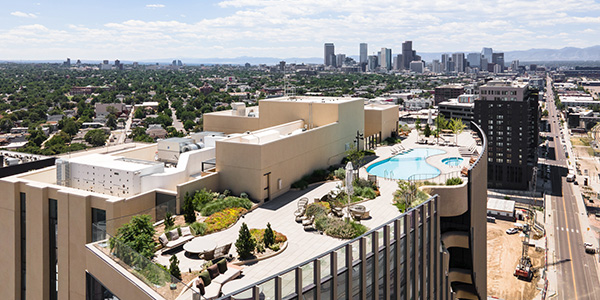
Ticketed event; $125 USD / $175 CAN
Bus departs 9 a.m.
Explore River North (“RiNo”), one of Denver's fastest-evolving neighborhoods and see how developers are delivering next-generation office, residential and mixed-use projects in a highly competitive market. The tour will highlight the role of design, amenities, hospitality-inspired experiences and neighborhood identity in attracting tenants and residents. Attendees will gain a deeper understanding of how urban districts are adapting to changing workplace, housing and lifestyle preferences.
Presented by Brinkmann Constructors.
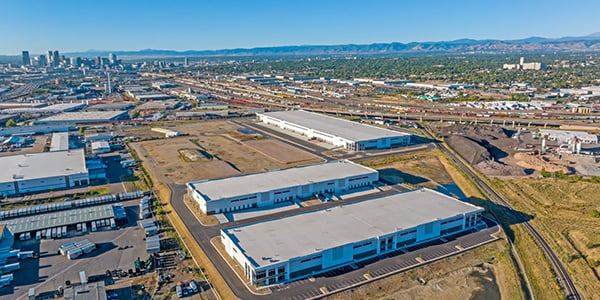
THIS TOUR IS SOLD OUT.
Bus departs 9:15 a.m.
Explore Denver's Interstate 25 industrial corridor, where strong occupier demand, limited land availability and urban infill constraints are shaping one of the metro’s most compelling growth stories for developers, brokers and investors. Stretching from established infill industrial districts to emerging distribution hubs, this tour highlights a mix of shallow bay, manufacturing, service and next-generation logistics properties while examining the strategies developers are using to identify opportunities, assemble sites and deliver new product in one of the region's most competitive industrial markets.
Presented by Majestic Realty Co.
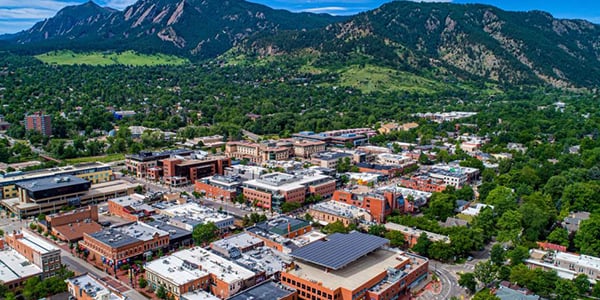
Ticketed event; $135 USD / $189 CAN
Bus departs 9:30 a.m.
Discover how Boulder continues to attract investment, talent and innovation through a combination of mixed-use development, experiential hospitality and emerging life sciences and technology clusters. This tour explores the evolution of districts that blend office, residential, research and community uses to create highly desirable places to live and work. Attendees will gain perspective on how development is supporting one of the country's most innovation-driven regional economies. Lunch will be provided.
Presented by Majestic Realty Co.
Open only to members of the CREDA Board of Directors.
Presented by Link Logistics Real Estate.
All conference attendees and CREDA members are invited to as we show our appreciation for the excellent service and leadership of 2026 Chair Celeste Tanner, Confluent Development, and welcome the 2027 Executive Committee.
Open only to Foundation Governors and members of the Industry Trends group.
Open to Chapter Presidents and Presidents-elect.
Lunch will be served.
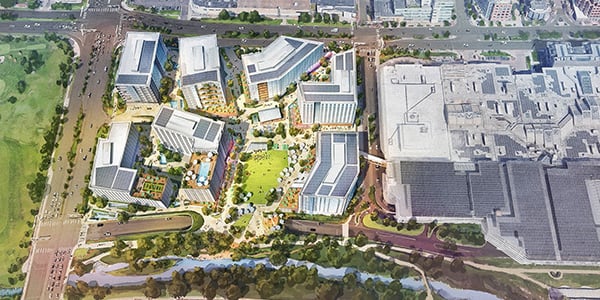
Ticketed event; $135 USD / $189 CAN
Bus departs 1 p.m.
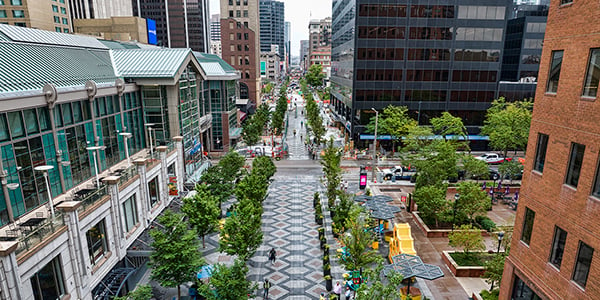
This tour will showcase one of the nation’s most sought-after submarkets and Denver’s premier mixed-use district where best-in-class residential, office and hospitality developments are redefining urban retail and workplace environments. The tour begins at a landmark office development and home of Walker & Dunlop’s Denver office, where a panel of leading developers and industry experts including Geoff Baukol with Brue Baukol Capital Partners, Amy Cara with East West Partners, Matt Joblon with BMC Investments , Billy Byrne with Stream Realty Partners and Brian Chen with Broe Real Estate Group, will discuss current projects, the factors driving the district’s success, and how thoughtful planning, strong design partnerships and high-quality construction continue to attract top retailers and restaurants. With some of the highest office and ground-floor retail rents in the Mountain West, the area offers a compelling case study in mixed-use development and placemaking. Following the discussion, attendees will receive a map and can explore the neighborhood on foot, experiencing firsthand the projects, public spaces and amenities that have made it one of Denver’s most vibrant destinations. The tour concludes with cocktails, light bites and networking before returning to the hotel by bus.
Presented by Majestic Realty Co.
Ticketed event; $135 USD / $189 CAN
Tour departs 1 p.m.
Begin at Denver’s historic Union Station, where guides from Union Station Alliance and Sage Hospitality will provide an insider look at the celebrated adaptive reuse of the 1914 rail terminal into a vibrant hub of hospitality, dining and public gathering. Next, walk to Skyline Park to hear from the Downtown Denver Partnership about the vision for this key downtown destination, along with updates from the Downtown Denver Development Authority on activity along 16th Street, including Denver Pavilions. The tour concludes at Populus, North America’s first carbon-positive hotel. Representatives from Urban Villages will share the story behind this landmark project before attendees enjoy rooftop cocktails and panoramic views of the Denver skyline.
Presented by Majestic Realty Co.
Ticketed event; $135 USD / $189 CAN
Tour departs 1:15 p.m.
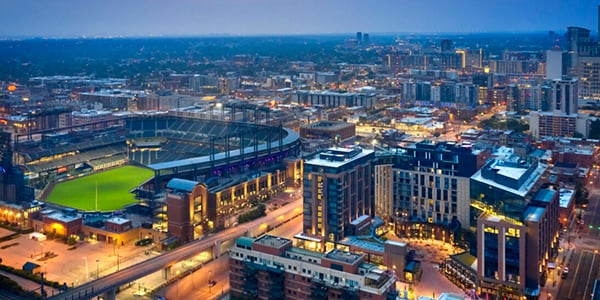
Explore how major sports and entertainment venues are reshaping urban development and creating entirely new neighborhoods. This walking tour examines the planning, financing and execution of large-scale mixed-use districts that integrate residential, office, retail, hospitality and public gathering spaces. Attendees will hear from a panel of experts how developers are leveraging professional sports, entertainment and placemaking to drive investment, activate underutilized land and create year-round destinations.
Presented by Majestic Realty Co.

Location: Sheraton Denver Downtown Hotel, Denver, Colorado
Ticketed event; $299 USD / $418 CAD
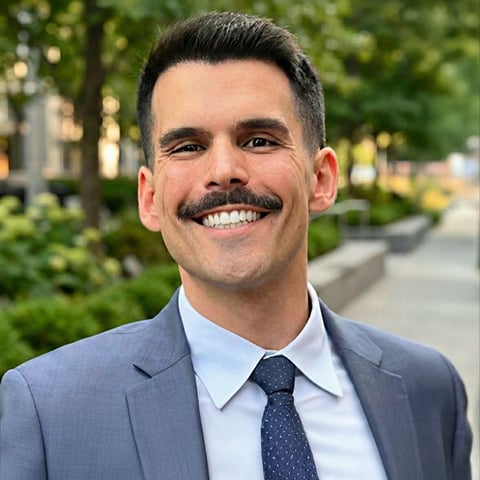
Master the practical use of AI tools for commercial real estate workflows in this hands-on workshop. Led by Topher Stephenson, CRE tech consultant and co-founder of CRE AI Studio, you'll move past the hype and learn what AI can help you accomplish in CRE today.
Through live demonstrations and practical exercises, you will learn how to:
You'll leave with:

Ticketed event; $125 USD / $175 CAN
Registration closed.
Get ready to serve, rally and connect in the heart of Denver. Whether you're a seasoned player or new to the game, this fun, social event combines friendly competition with meaningful networking opportunities. Bring your own paddle or borrow one on-site at our indoor pickleball venue, step into the kitchen and enjoy an afternoon of dinks, drives and great conversations with fellow attendees. Space is limited to 50 participants.
Presented by Ryan Companies US.
Proceeds from the Pickleball Social will benefit the CREDA Research Foundation. For U.S. participants, the estimated fair market value of the goods and services provided in connection with your event registration equals or exceeds your registration fee. As a result, your registration fee is not tax-deductible. Any voluntary charitable contribution made separately from your registration fee may be tax-deductible to the extent permitted by law, provided no goods or services are received in exchange for that contribution. Tax benefits are not available for participants outside of the U.S. Download the Foundation’s research and support our mission: credaresearch.foundation.
Take a refreshing afternoon break with complimentary ice cream.
Presented by Mapletree Investments Pte Ltd.
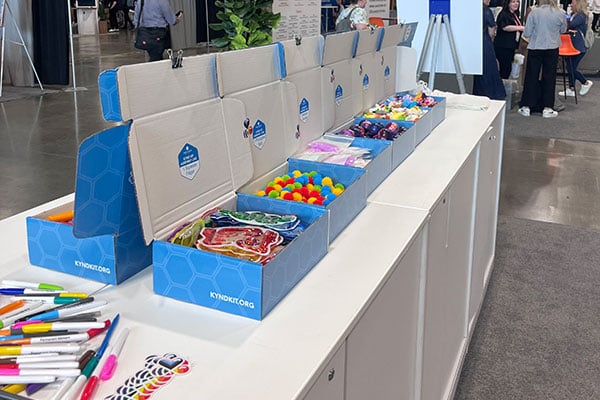
Build meaning into your meeting! We’re kicking off the CREDA Conference by bringing attendees together for this hands-on event benefiting two great local causes: Children’s Hospital Colorado and WeeCycle, a Colorado-based nonprofit that recycles essential baby gear and matches it with local families in need.
Join colleagues, friends and new connections as we assemble three types of “Kynd Kits”:
Your participation helps support Colorado families and children when they need it most.
All are welcome; no advance registration required.
Presented by Cushman & Wakefield.
Co-presented by FCL Builders, Link Logistics Real Estate, Newmark, Prologis, Inc., Rockefeller Group, Affinius Capital, Alston Construction, Ambrose Property Group, Broe Real Estate Group/OmniTRAX, CBRE, Colliers, CoStar Group, Majestic Realty Co., Mapletree Investments Pte Ltd, Marcus & Millichap, Oline Construction, Panattoni Development Company, Ryan Companies US, Wipfli LLP, Brookfield Properties, CenterPoint Properties, Fortress Investment Group, JLL, RE/MAX Commercial, Bohler and Michael A. Klump Center for Real Estate (University of Colorado)
By invitation only.
By invitation only.
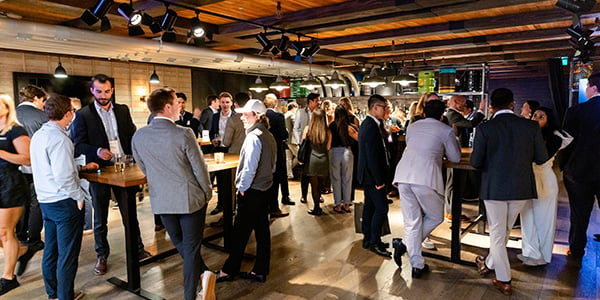
Location: BEZEL Bar, Sheraton Denver
Ticketed event; $75 USD/$105 CAN
Registration limited to Developing Leader members (aged 35 and under) only.
Kick off the conference with an exclusive evening designed for Developing Leaders at BEZEL Bar, the conference hotel’s stylish cocktail destination. Connect with peers from across North America in a relaxed setting while enjoying curated tastings from local breweries, great food and lively conversation. Whether you're attending your first conference or reconnecting with colleagues from across the chapter network, this event offers the perfect opportunity to expand your professional network, exchange ideas and build relationships with the next generation of commercial real estate leaders. Space is limited, so reserve your spot early for this popular conference tradition.
Ticketed event; $20 USD / $30 CAD
Group departs promptly at 6:15 a.m.
Location: Begins and ends at Sheraton Denver Downtown Hotel
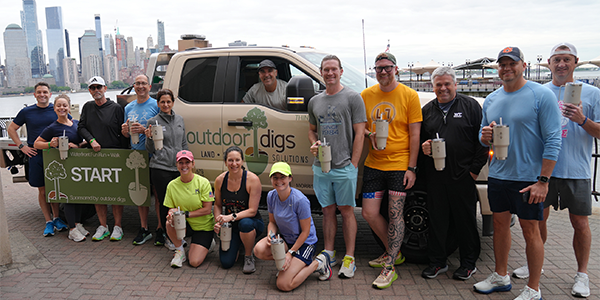
Kick off the conference by exploring downtown Denver with fellow attendees during a guided Fun Run and Walk led by local experts from Go! Running Tours. Participants can take part in an approximately 5K (3-mile) run or 3K (1.5-mile) walk as local guides share local stories, highlight notable landmarks, stop for photos, and encourage conversation between attendees before the day’s conference programming begins. All paces are welcome! Whether you are an experienced runner or simply looking for a scenic morning walk, this non-competitive experience is designed for everyone. There will be no official timing or race bibs.
Space is limited to 50 participants; advanced registration is required.
Please note that participants will be required to complete a waiver prior to participating. Final route details and participant instructions will be shared closer to the event.
Interested in sponsoring the CREDA Downtown Denver Fun Run and Walk? Contact the CREDA team to learn more about sponsorship opportunities.
Download the Fun Run Event Waiver
Presented by Wipfli LLP.
Presented by Link Logistics Real Estate.
Here We Are at the End of the World
The global economy is entering a new era defined by geopolitical fragmentation, shifting demographics, accelerating artificial intelligence adoption and an unprecedented demand for energy. As nations rethink trade relationships, companies reconfigure supply chains and AI drives a surge in power and infrastructure needs, the assumptions that shaped the last several decades are rapidly being rewritten.
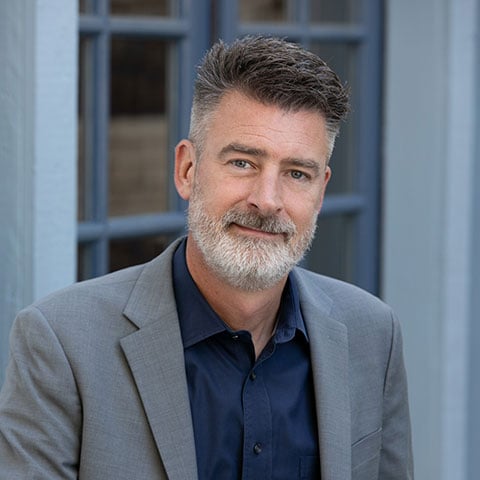
In his signature style, geopolitical strategist Peter Zeihan examines the forces transforming the global economy and what they mean for growth, investment and development. From tariffs and industrial policy to energy security, AI infrastructure and North America's competitive position, Zeihan offers a provocative look at the opportunities and disruptions likely to shape the years ahead.
Before Peter Zeihan begins his remarks, we’ll also announce the recipients of this year’s CREDA and Prologis Inclusion in CRE Scholarship for Students and the CREDA Developing Leaders Award winners.
Breakfast presented by Ambrose Property Group.
As manufacturing and supplier ecosystems shift closer to end markets, industrial distribution networks are evolving into more regional and flexible models. This session will examine how reshoring and nearshoring are influencing logistics strategy, distribution center site selection, and facility design across U.S. markets. Explore the operational and real estate factors shaping today’s industrial demand, from labor and transportation access to automation, infrastructure readiness and cold chain requirements. Attendees will gain practical insight into how developers and investors can position projects to remain competitive as supply chains continue to evolve.

Presented by Broe Real Estate Group/OmniTRAX.
Co-presented by Bohler, Menard USA, Nations Roof, Realterm and SpecChem.
The rapid expansion of data centers is creating massive demand not only for power and digital infrastructure, but also for industrial logistics space supporting the build-out and operation of these facilities. This session examines how logistics providers, industrial landlords and developers are responding to growing demand for warehouses dedicated to storing, staging and managing critical data center equipment and supply chains. Speakers will explore how this emerging tenant category is influencing site selection, facility design and leasing strategies, while also discussing the long-term operational opportunities tied to maintenance, refresh cycles and reverse logistics. Attendees will gain insight into how the AI-driven data center boom is creating a new layer of industrial demand and reshaping the relationship between logistics real estate and digital infrastructure development.
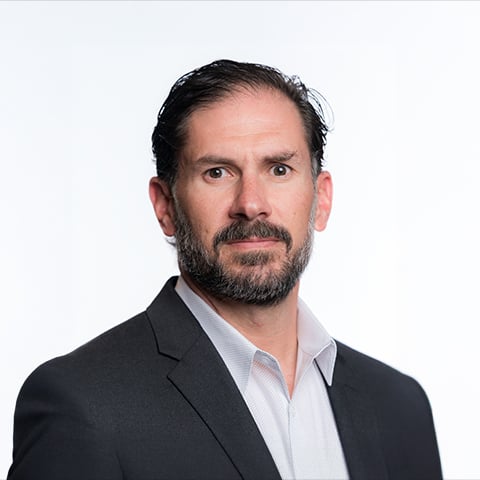
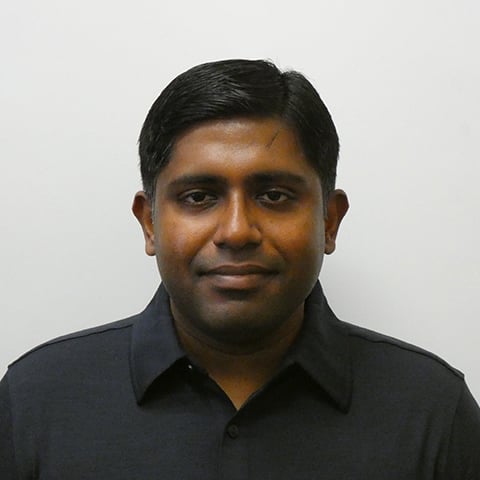
Presented by Broe Real Estate Group/OmniTRAX.
Co-presented by Bohler, Menard USA, Nations Roof, Realterm and SpecChem.
Mixed-use projects are no longer competing on density alone. Today’s most successful developments are being driven by operational strategy, tenant mix, experience design and long-term asset positioning. This session will explore how developers are rethinking mixed-use in response to changing office utilization, evolving residential preferences, and growing pressure to create destinations rather than standalone projects. Speakers will discuss the realities of integrating office, residential, retail, hospitality and entertainment uses while balancing phasing, capital constraints, leasing strategy and public expectations. Attendees will gain insight into the market dynamics and execution strategies shaping the next generation of mixed-use development.
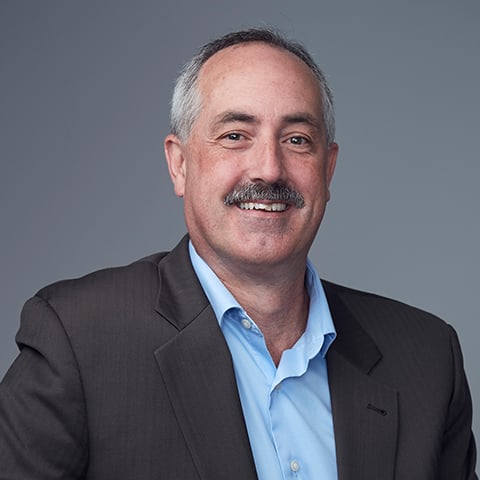
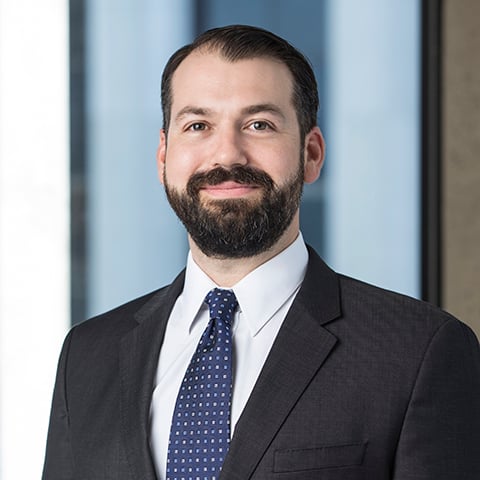
Co-presented by Kimley-Horn, Lee & Associates Commercial Real Estate Services, MG2 and VanTrust Real Estate, LLC.
Multifamily capital markets are adjusting to a new investment environment shaped by elevated interest rates, changing rent growth expectations, rising operating costs, and evolving investor return thresholds. This session will explore how developers, investors and lenders are approaching acquisitions, dispositions, recapitalizations and new development opportunities across the multifamily sector. Speakers will discuss debt availability, equity trends, valuation gaps, preferred markets, and the growing distinction between stabilized assets, value-add opportunities, and development plays. Attendees will gain practical insight into how market participants are structuring deals, underwriting risk, and positioning multifamily investments in an increasingly selective and competitive capital environment.


Co-presented by Martin-Harris Construction, Trammell Crow Company and Solar Landscape.
AI is rapidly changing how commercial real estate firms evaluate acquisitions, underwrite investments and make decisions in competitive markets. This session will explore how AI tools are being used to accelerate due diligence, analyze market and property-level data, identify risks and support more informed investment strategies. Speakers will discuss practical applications across deal sourcing, underwriting, forecasting and portfolio analysis, while also addressing the challenges of data quality, workflow integration and human oversight. Attendees will gain a clearer understanding of how AI can strengthen decision-making without replacing the judgment and experience that drive successful deals.
Co-presented by Autodesk, Built Technologies and CREtech New York 2026.
Discover CREDA’s flagship professional development experience. The CREDA Forums program connects select commercial real estate leaders from across North America for candid, confidential discussions on industry trends, project challenges and business strategy. Members build trusted, long-lasting networks in a small-group setting. CREDA’s Vice President for Forums, Diana Schapiro, will share how the program is structured, the value it delivers and how you can apply to join this exclusive peer group.
Tech Demo Stage:
11:05 - 11:10 a.m. - Preconstruction Supply & Entitlement Intelligence, GatherGov
11:26 - 11:31 a.m. - Unlocking Insurability in High-Risk Zones: The Wayfare Station Case Study, Frontline Wildfire Defense
Networking Break presented by Rockefeller Group.
Tech Demo Stage presented by Market St Hospitality Advisors.
Industrial outdoor storage (IOS) has rapidly evolved from a fragmented niche asset class into one of the most closely watched sectors in industrial real estate. This session will examine how institutional capital, private equity firms and major lenders are accelerating consolidation across the IOS market, and what that means for developers, investors and operators moving forward. Speakers will explore why IOS is attracting growing investor interest, how operators are scaling portfolios, and what separates long-term institutional-quality assets from opportunistic aggregation plays. The discussion will also address development strategy, zoning and entitlement risks, operational considerations and the growing convergence between IOS, small-bay industrial and logistics infrastructure.
Presented by Broe Real Estate Group/OmniTRAX.
Co-presented by Bohler, Menard USA, Nations Roof, Realterm and SpecChem.
Explore how Project Nexus transformed a 1960s industrial complex in San Leandro, California, into a LEED Platinum-designed facility while achieving significant embodied carbon reductions compared to new construction. This session will examine how adaptive reuse, low-carbon materials, and early whole-building life cycle assessment shaped development decisions balancing sustainability, constructability and tenant experience. Attendees will gain practical insight into how owners, designers, engineers and consultants collaborated to reposition an aging industrial asset into a high-performance facility, while learning strategies that can help future-proof industrial portfolios amid growing sustainability expectations and carbon reduction goals.


Presented by Broe Real Estate Group/OmniTRAX.
Co-presented by Bohler, Menard USA, Nations Roof, Realterm and SpecChem.
This session explores how capital sources are evaluating opportunities across traditional office, mixed-use and repositioning plays, and where transaction activity is beginning to regain momentum. Speakers will discuss financing conditions, recapitalizations, valuation trends and the growing divide between commodity office product and highly amenitized, experience-driven assets. Attendees will gain practical insight into how market participants are identifying opportunities, structuring deals and positioning office investments for stronger performance in an evolving market environment.

Co-presented by Kimley-Horn, Lee & Associates Commercial Real Estate Services, MG2 and VanTrust Real Estate, LLC.
The demographic and capital market trends reshaping residential real estate are creating new opportunities in senior housing, particularly for multifamily investors seeking long-term growth and portfolio diversification. This session will examine how aging demographics, supply constraints and improving operating fundamentals are driving increased interest in active adult and senior housing communities as an extension of traditional multifamily investment strategies. Speakers will share market data, development insights and lessons learned on topics including site selection, operational considerations, capital trends and transaction activity.
Co-presented by Martin-Harris Construction, Trammell Crow Company and Solar Landscape.
Commercial real estate firms are moving beyond AI experimentation and beginning to integrate these technologies into core business and operational strategies. This session will explore how developers, owners, engineers and consultants are using AI-driven tools for site analysis, design coordination, predictive analytics, operational efficiency and portfolio decision-making. Through real-world examples and candid discussion, panelists will examine where AI is delivering measurable ROI today, the challenges firms face when scaling adoption across organizations, and how data-driven systems and digital infrastructure may influence future asset performance, sustainability goals and investment strategy.
Co-presented by Autodesk, Built Technologies and CREtech New York 2026.
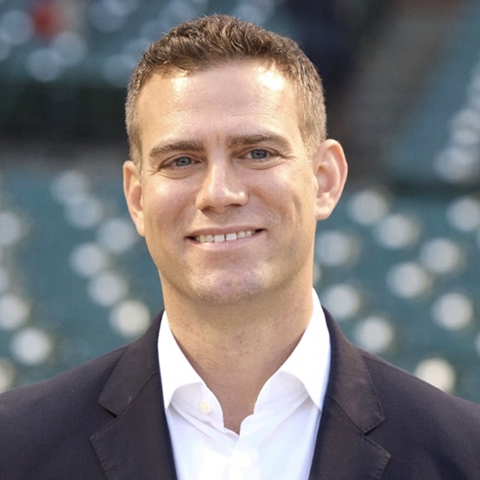
Theo Epstein, Senior Advisor, Fenway Sports Group; Former President, Chicago Cubs and Boston Red Sox; World Series Winner; Time 100 Influencer
Theo Epstein is one of the most accomplished and influential executives in modern baseball history, known for breaking two of the sport’s longest championship droughts as president of baseball operations for the Boston Red Sox (2004 and 2007 World Series titles) and the Chicago Cubs (2016 World Series title), while pioneering data-driven decision-making and organizational leadership practices that reshaped the game.
Before the keynote, we'll recognize Ryan Companies, our 2026 Developer of the Year and the association's highest honor. Learn more about what makes Ryan an industry leader by reading the cover story from the fall issue of Development magazine (linked in Resources below).
Lunch presented by CBRE.
Industrial capital markets continue to evolve amid shifting investor priorities, supply-demand recalibration and growing pressure to identify resilient long-term opportunities. This session will examine where capital is flowing across the industrial sector and how developers, investors and lenders are positioning themselves for the next 12-24 months. Speakers will discuss acquisition and disposition trends, debt availability, pricing expectations, emerging market opportunities, and the asset types attracting the most attention from institutional and private capital. Attendees will gain insight into how market participants are underwriting risk, evaluating development opportunities, and adapting investment strategies in an increasingly selective and competitive environment.
Presented by Broe Real Estate Group/OmniTRAX.
Co-presented by Johns Manville, MG2, New Millennium, PrimX North America and Summit Real Estate Group.
New federal incentives tied to manufacturing, reshoring and accelerated depreciation are reshaping industrial development and investment strategies nationwide. This session will explore how recent legislation is influencing site selection, capital flows and project economics across logistics, manufacturing and data center markets. Hear how developers, investors and industry leaders are responding to evolving financing conditions, tenant demand and operational requirements while positioning projects to capitalize on emerging opportunities.

Presented by Broe Real Estate Group/OmniTRAX.
Co-presented by Johns Manville, MG2, New Millennium, PrimX North America and Summit Real Estate Group.
Minor league sports venues are increasingly being positioned as catalysts for large-scale mixed-use development, transforming stadium districts into year-round destinations that combine entertainment, hospitality, retail, residential and community uses. This session will examine how developers, municipalities and sports ownership groups are leveraging ballparks and sports complexes as anchor assets to drive visitation, unlock public-private partnerships and support broader real estate investment strategies. Speakers will explore the economics behind sports-anchored development, including infrastructure investment, municipal incentives, activation strategies and long-term district planning. Attendees will gain insight into how this emerging model is creating new opportunities in secondary and growth markets where sports venues can serve as the centerpiece of mixed-use placemaking and economic development initiatives.

Co-presented by Kimley-Horn, Lee & Associates Commercial Real Estate Services, MG2 and VanTrust Real Estate, LLC.
As office demand continues to evolve, developers and investors are increasingly evaluating adaptive reuse and residential repositioning opportunities, but not every conversion creates value. Using the redevelopment of CityHouse Old Town in Alexandria, Virginia, as a case study, this session will examine the conditions that can make adaptive reuse successful, from market demand and structural feasibility to entitlement strategy, underwriting and operational execution. Attendees will gain practical insight into evaluating conversion opportunities through a repeatable framework focused on financial viability, placemaking and long-term asset performance. The discussion will also explore how adaptive reuse strategies can help reposition aging office assets while creating durable residential and mixed-use value in today’s market.
Co-presented by Martin-Harris Construction, Trammell Crow Company and Solar Landscape.
From predevelopment through project delivery, AI-driven technologies are reshaping how construction and development teams manage increasingly complex projects. This session will examine how firms are using AI-driven tools to improve scheduling, estimating, design coordination and project management while reducing delays, cost overruns and operational inefficiencies. Speakers will explore practical applications ranging from predictive analytics and workflow automation to design optimization, risk identification and real-time collaboration across project teams. Attendees will gain insight into how AI is helping developers, contractors and consultants make faster, more informed decisions while improving project execution in an increasingly complex development environment.
Co-presented by Autodesk, Built Technologies and CREtech New York 2026.
Take a refreshing afternoon break with complimentary ice cream.
Presented by Mapletree Investments Pte Ltd.
Tech Demo Stage:
3:35 - 3:40 p.m. - Parcels to Possibility: How ParGo AI Finds Sites Others Miss, ParGo AI
3:42 - 3:47 p.m. - Scaling Payments Infrastructure: How Developers Are Automating Financial Operations, Built Technologies
3:56 - 4:01 p.m. - Talk to the Data: Find the Angle Other Buyers Miss, CREXi
4:03 - 4:08 p.m. - A Closer Look at Sage Intacct Construction & Real Estate, Accordant
4:10 - 4:15 p.m. - Algoma Feasibility Studies, Algoma
Networking Break presented by Rockefeller Group.
Tech Demo Stage presented by Market St Hospitality Advisors.
Power availability has become one of the defining challenges shaping industrial development across logistics, manufacturing, cold storage and data center-adjacent markets. As industrial users demand more energy-intensive facilities and utilities struggle to keep pace with load growth, developers are increasingly being forced to rethink site selection, infrastructure planning and project timelines. This session will examine how power constraints are influencing industrial strategy nationwide, from substation access and grid capacity to electrification, on-site generation and utility coordination. Speakers will discuss how developers are evaluating power risk during underwriting, navigating long lead times for infrastructure upgrades, and positioning projects to meet the operational needs of next-generation industrial users.


Presented by Broe Real Estate Group/OmniTRAX.
Co-presented by Johns Manville, MG2, New Millennium, PrimX North America and Summit Real Estate Group.
This session explores how JLL and Amazon Global Realty developed a scalable framework linking sustainability investments, leasing strategy and portfolio performance across industrial assets in North America and Europe. Learn how valuation analytics and decarbonization assessments were applied across dozens of sites to support stronger tenant relationships, improve operational resilience and create measurable value. Speakers will examine how co-investment strategies around electrification, rooftop solar, EV charging and energy management are reshaping the relationship between landlords and occupiers while helping future-proof industrial portfolios.

Presented by Broe Real Estate Group/OmniTRAX.
Co-presented by Johns Manville, MG2, New Millennium, PrimX North America and Summit Real Estate Group.
The office market is no longer moving as a single asset class. While outdated commodity space continues to struggle, highly amenitized, well-located and thoughtfully designed office properties are outperforming by attracting tenants seeking quality, flexibility and experience-driven environments. This session will explore how developers, investors and designers are evaluating the future of office through strategic repositioning, adaptive reuse and selective new development. Speakers will examine the growing divide between obsolete office product and assets positioned for long-term relevance, including opportunities for Class B-to-A upgrades, mixed-use integration and conversions to residential or alternative uses. Through real-world case studies, attendees will gain practical insight into how design, placemaking, entitlement strategy and market positioning are influencing leasing performance, tenant retention and long-term asset value in an evolving office landscape.


Co-presented by Kimley-Horn, Lee & Associates Commercial Real Estate Services, MG2 and VanTrust Real Estate, LLC.
With the restoration of 100% bonus depreciation and continued uncertainty around capital gains treatment, multifamily developers and investors are rethinking how they underwrite acquisitions, dispositions and long-term hold strategies. This session examines how evolving tax policy is influencing investment decisions, capital planning and portfolio strategy across the multifamily sector. Speakers will discuss how developers are evaluating hold-vs.-sell scenarios, utilizing 1031 exchanges more strategically, and pairing opportunity zone investments with multifamily development to enhance after-tax returns. Designed for developers, operators and capital partners, this session will provide practical insight into navigating today’s shifting tax and investment landscape.
Co-presented by Martin-Harris Construction, Trammell Crow Company and Solar Landscape.
Exclusive for Developing Leaders
Developing Leaders are invited to an exclusive, interactive town hall with 2026 Chair Celeste Tanner and 2027 Chair Clark Machemer. Hear the stories behind their careers, how they rose to the top of the industry, and the role our association played in their journeys. Ask questions, gain practical advice on advancing your career, building meaningful relationships, and strengthening your leadership skills. Learn how deepening your engagement in CREDA can expand your network, create new opportunities and help shape your future in commercial real estate.

By invite only.
Presented by CBRE.
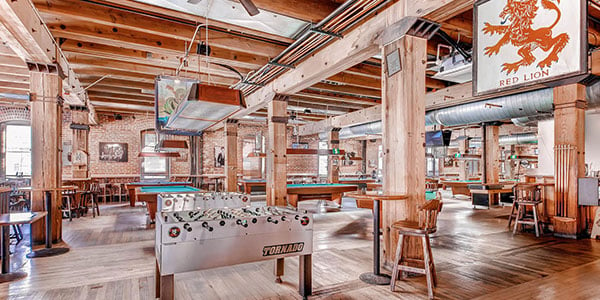
Wynkoop Brewing Company
Historic Brewery and Billiard Hall
Open to all conference attendees.
With almost thirty years on the Denver Brew Scene, Wynkoop Brewery is a Denver institution known for innovative and creative brewers who will put just about anything in their beer (even gummy bears and green chilies!). The brewery, located in the heart of Denver's Lower Downtown district, is a perfect taste of the Mile High City. Enjoy excellent local flavors and beers and challenge other CREDA Conference attendees to a round of darts, pool, foosball and more.
Presented by Panattoni Development Company.
Co-presented by Ryan Companies US and Solar Landscape.
Open only to CREDA Forums members and their guests.
Open to CREDA Forums members only.
Open only to CREDA Chapter Executives.

Stay in Denver following the conference to experience CREDA Colorado Fight Night 2026, presented by CoStar Group, LoopNet and Ten-X. Now in its 13th year, Fight Night features professional boxing, premier networking and the signature Real Estate Ringer bouts – commercial real estate professionals stepping into the ring.
This year’s “Built by Legends” theme celebrates those who helped build Colorado’s commercial real estate industry and the leaders shaping its future.
Discounted Fight Night tickets are available to all CREDA members. Contact CREDA Colorado with your member type and 6-digit member number to receive your special registration code.
A limited number of sponsorship opportunities are available, including half- and full-table packages, at Early Bird rates through Aug. 31.
*Fight Night is hosted and organized by CREDA Colorado.